Tuesday, October 13, 2009

Emerging Issue: Smoke-free housing


In July 2009 the U.S. Department of Housing and Urban Development (HUD) released a memo in support of smoke-free public housing. The memo intended to encourage local public housing authorities to designate some or all of their units as smoke-free. The HUD memo points to the scientific evidence that secondhand smoke is not just annoying, it's dangerous. The science points to making all public housing smoke-free due to the nature of secondhand smoke. Because of the immense efforts of trying to get a statewide smoke-free law passed SFW has not fully explored the issue of smoke-free housing. We hope to join the states who have already taken the step to protect people from the dangers of secondhand smoke in a a place many people spend nearly 70% of their time.

To see what other states are doing on the issue of smoke-free housing click on the links below (many cities, and other states not listed).

Minnesota is making great strides in smoke-free housing.

So is New York 

Maine

Oregon

and California


To read the latest smoke-free housing news visit the website for Americans for Non-Smokers Rights.

Monday, October 12, 2009

Evidence supports light and mild labels are deceptive


A 2009 study features in the Journal of Public Health shows that research participants were more likely to rate cigarette packages with the terms light, mild, smooth, and silver as having a smoother taste, pose a lower risk to health and deliver less tar than packages that used words like regular or full flavor. Also, participants rated packages with lighter colors or those that featured pictures of filters as a smoother, lower tar, and lower risk product. Smokers were more likely to believe the the reduced risk than non-smokers. Of note, smokers of light or mild cigarettes were much more likely to believe that their brand was smoother and carried less risk.


The fact is all cigarettes pose the same health risks no matter how Big Tobacco dresses them up. This study points out what Big Tobacco has known for a long time: smokers, especially light or mild smokers believe the product they use poses less risk to their health and will have a smoother flavor. This study is timely and relevant because the FDA will outlaw these words next year but Big Tobacco is already moving its branding and labeling into compliance while still maintaining the myth that light is some how less harmful. More than 40 countries do not allow the use of light or mild because these terms are misleading. The study points to the fact that removing light or mild is not going to be enough- color and a larger list of words must be outlawed to ensure that Big Tobacco can't continue to mislead people with bogus health claims.

To read the full article click here. 
Friday, October 9, 2009

Green Bay picks up on the tobacco control funding cuts

"Starting next July, bars and restaurants in Wisconsin must go smoke-free. Now local smoke-free coalitions which backed that state law say they're already starting to see more smokeless tobacco products.

They say that's why they need to educate more people about the dangers of tobacco, period, but they fear it will be a tough task with more than half their funding now gone.
"We can see that the tobacco industry is marketing to our youth," Kris Kovacic from the Brown County Tobacco-Free Coalition says.
She points to one example, "They're actually tobacco products but they look like candy products."

FDA: No more light, ultra light, or other similiar descriptors

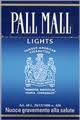
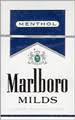
For many years Big Tobacco has used language light, ultra light, low tar, mild, and other descriptors of their products, mostly cigarettes. Typically Big Tobacco uses color association as well as descriptors. For example Marlboro Milds uses a blue package and the language of mild invoking a sense of reduced harm and potentially a safer product. Many smokers believe that lights or milds are not as harmful as other products.


Not to be outdone by Phillip Morris, R.J. Reynolds changed the packaging of Camel Lights to reflect the belief that smokers perceive the language of lights and blue colors as possibly safer. Pall Mall (also owned by R.J. Reynolds) uses blue for their Pall Mall Brand Lights. These changes were made prior to the FDA regulation of tobacco. In the minds of smokers the connect has already been between the colors and language of lights and milds. Pall Mall will be changing their brand language from Light to Blues in order to comply with the new FDA regulation. This example further shows smoker's association between light and blue packaging. These colors will be what convey the message of safer or potentially healthier to smokers, the words aren't as important as the marketing and packaging that comes with it.  
More below the break

Thursday, October 8, 2009

FDA Spotlight Series


As the various provisions of the FDA regulation begin to come into effect SmokeFree Wisconsin believes it is important to keep are readers updated on the various components of the law. We will also be talking about the dubious and deceptive ways that Big Tobacco will try to avoid these regulations.

Our first post about flavored cigarettes can be read here: CLICK HERE

We hope you are as excited about the possibilities of learning more about the FDA regulation as well as the always dubious ways of Big Tobacco.